
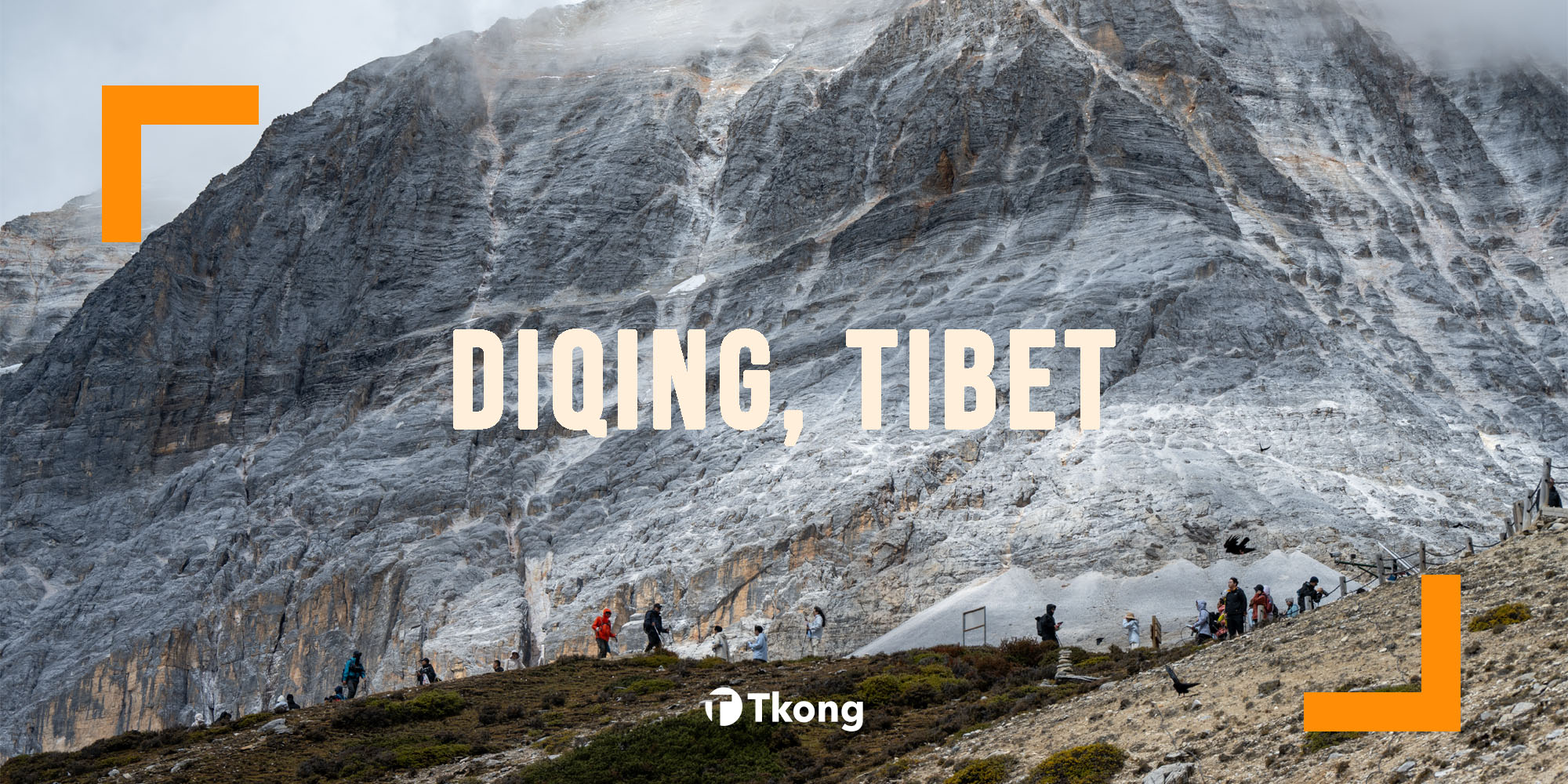
Where Earth Meets Sky: DIQING
Understanding the highland civilization of Southwest China between snow-capped mountains and deep river valleys.
“Diqing,” in Tibetan, means “a place of auspiciousness and good fortune.” This is not a poetic embellishment, but a reflection of lived experience passed down through generations. Under harsh natural conditions, people here have forged a distinctive balance between the land, their beliefs, and the social order.

At the southwestern edge of China’s highlands, a land unfolds quietly—framed by snow-capped peaks, deep gorges, and open alpine meadows.
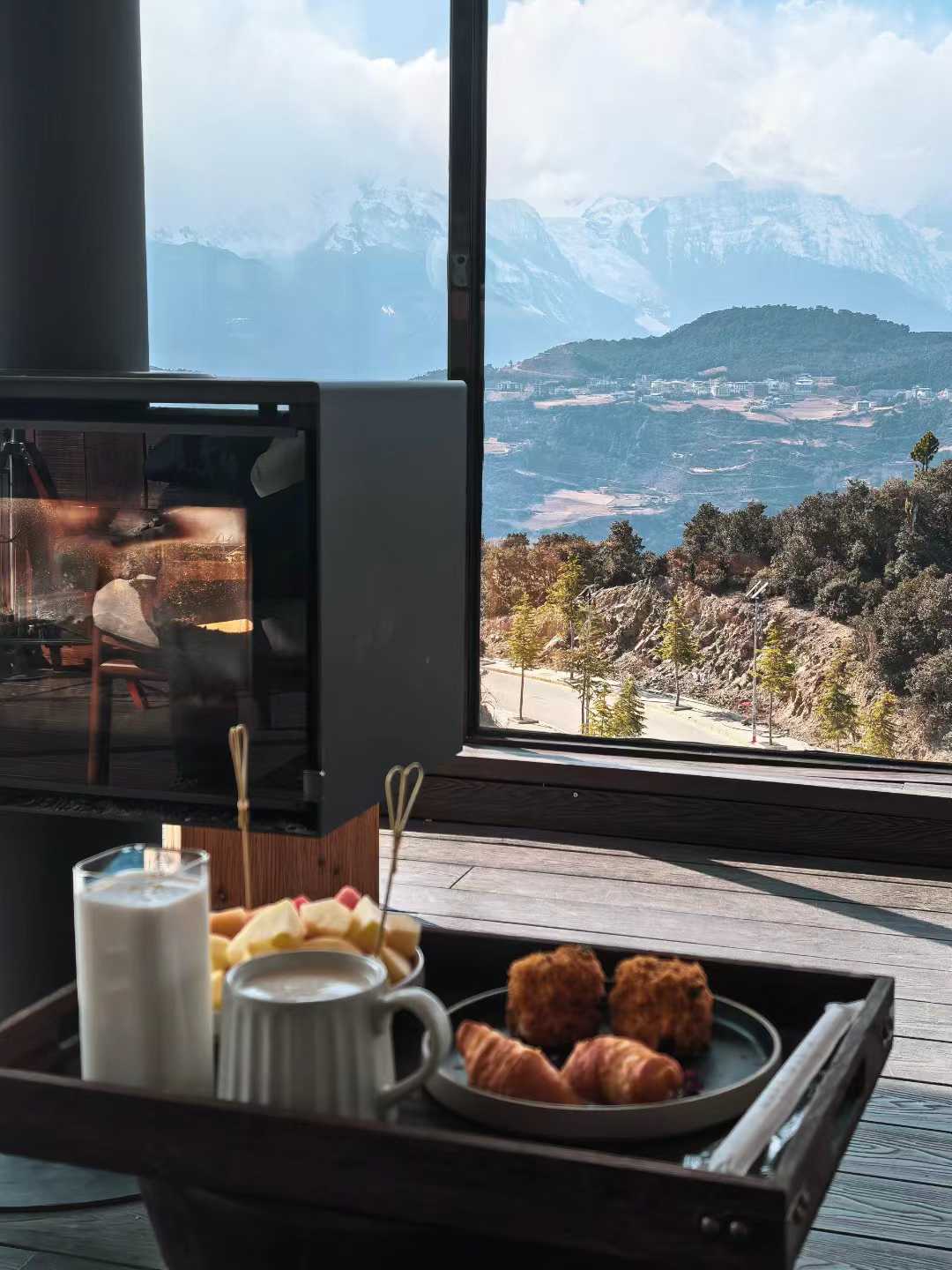
This is Diqing Tibetan Autonomous Prefecture, located in the northwestern part of Yunnan Province, where the Qinghai–Tibet Plateau meets the Hengduan Mountains—one of the most geographically distinctive regions in China. With an average elevation of around 3,000 meters, the air is thin and crisp; snow lingers year-round on the mountaintops, while rivers surge endlessly through steep, carved valleys.
“Diqing” means “a place of auspiciousness and good fortune” in Tibetan. This name is not merely poetic, but a distillation of generations of lived experience: under harsh environmental conditions, a unique balance has emerged between humans, the landscape, belief systems, and social order.
Today, for those arriving from the outside world, Diqing reveals more than just dramatic natural scenery. It also offers a glimpse into a plateau society that is gradually finding renewed vitality within the broader trajectory of modern China’s development.
Geographical Wonders at the Edge of the Plateau
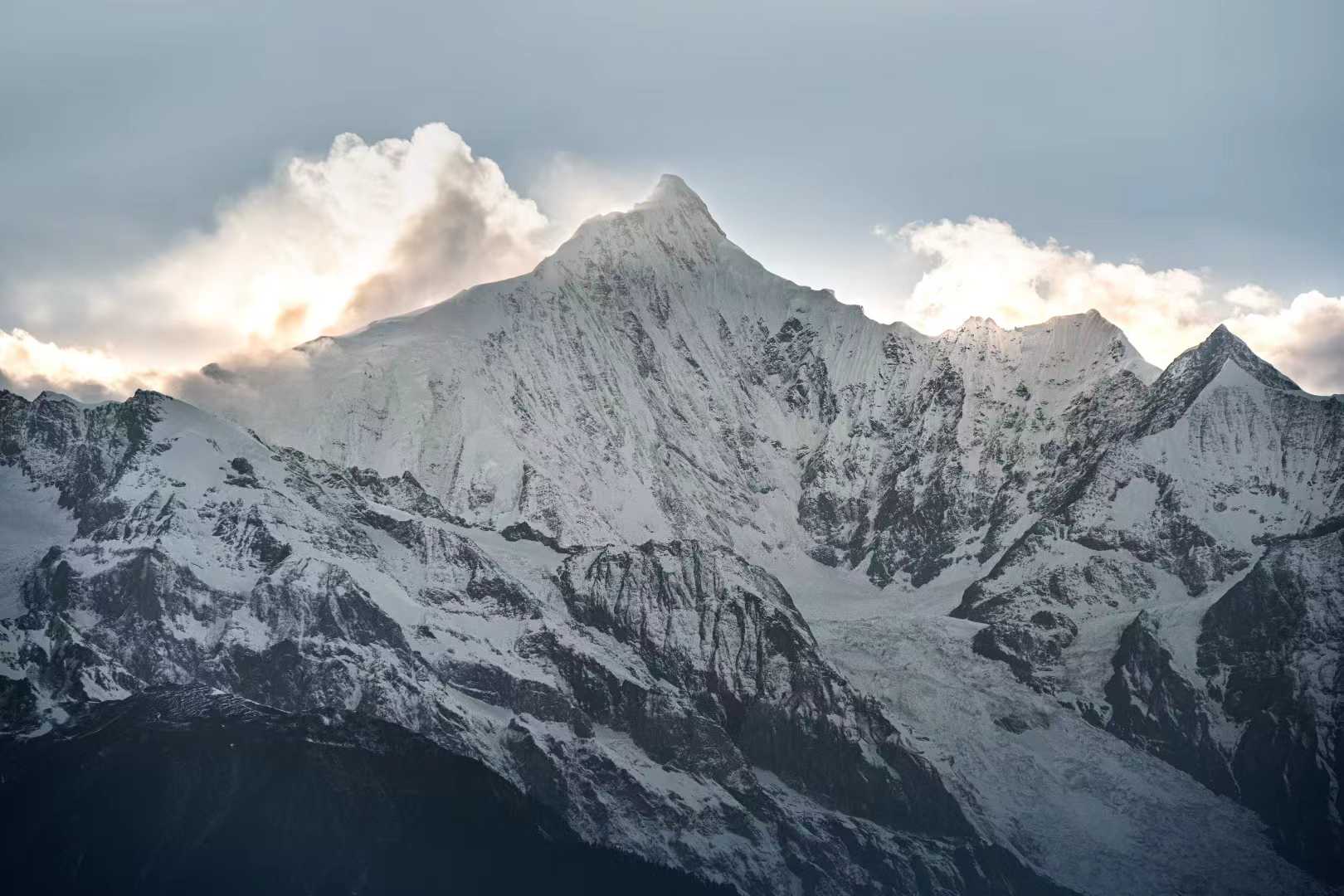
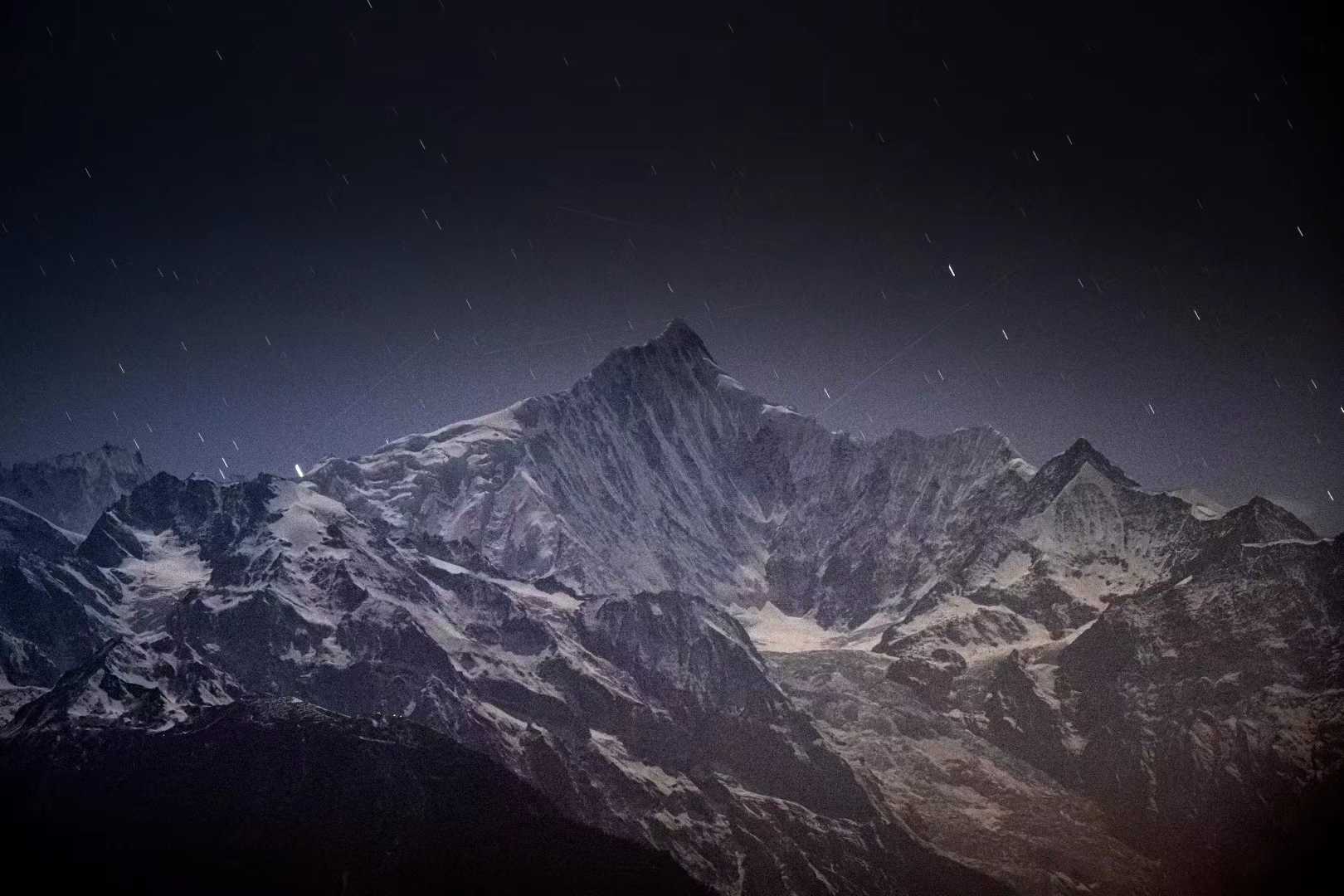
Among the many mountain ranges, Meili Snow Mountain stands out as the most iconic. Its highest peak, Kawagebo, rises to 6,740 meters and is revered by local Tibetans as a sacred mountain. For centuries, it has been regarded as the dwelling place of a protective deity, fostering a tradition of reverence and restraint toward nature. This worldview continues to influence modern conservation efforts, helping preserve vast areas of pristine alpine environment.
The interwoven ecosystems of snow mountains, forests, and grasslands make Diqing one of the most biologically diverse regions in China. Alpine rhododendrons, fir forests, and a wide range of wildlife thrive here, forming a rich and complete ecological tapestry of the high plateau.
Faith and Life
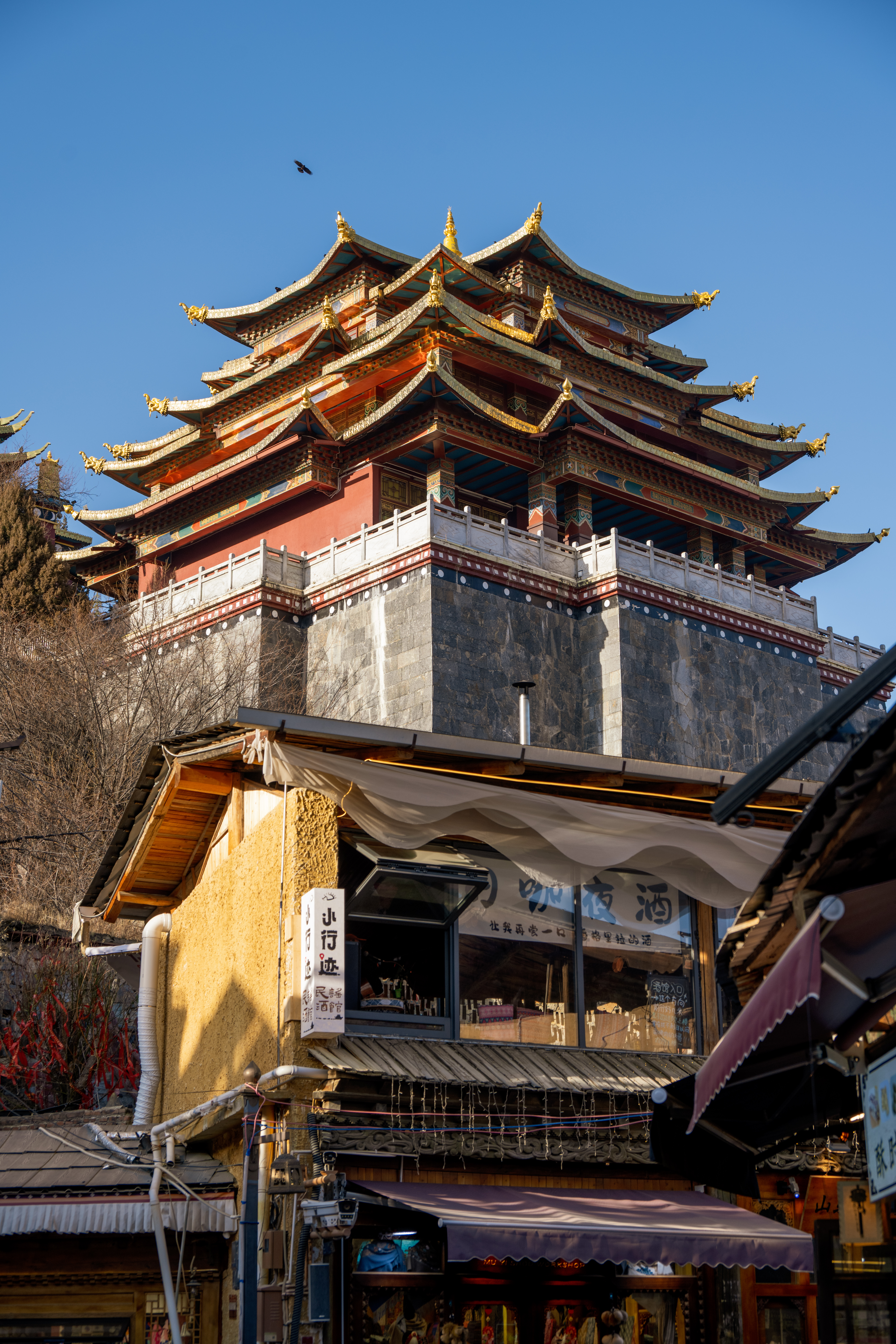
On the northern slopes of Shangri-La, Songzanlin Monastery rises prominently—the largest Tibetan Buddhist monastery in Yunnan.
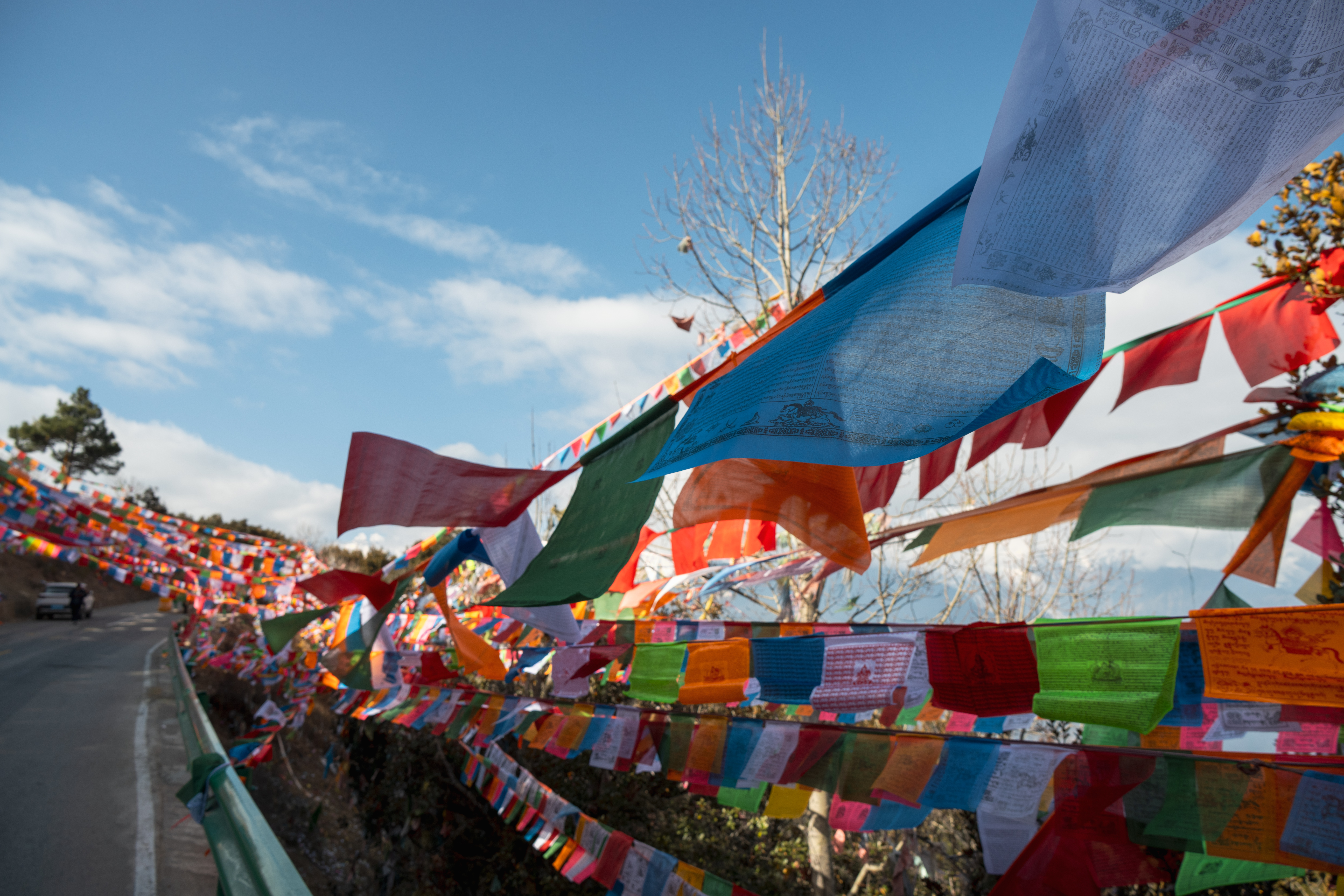
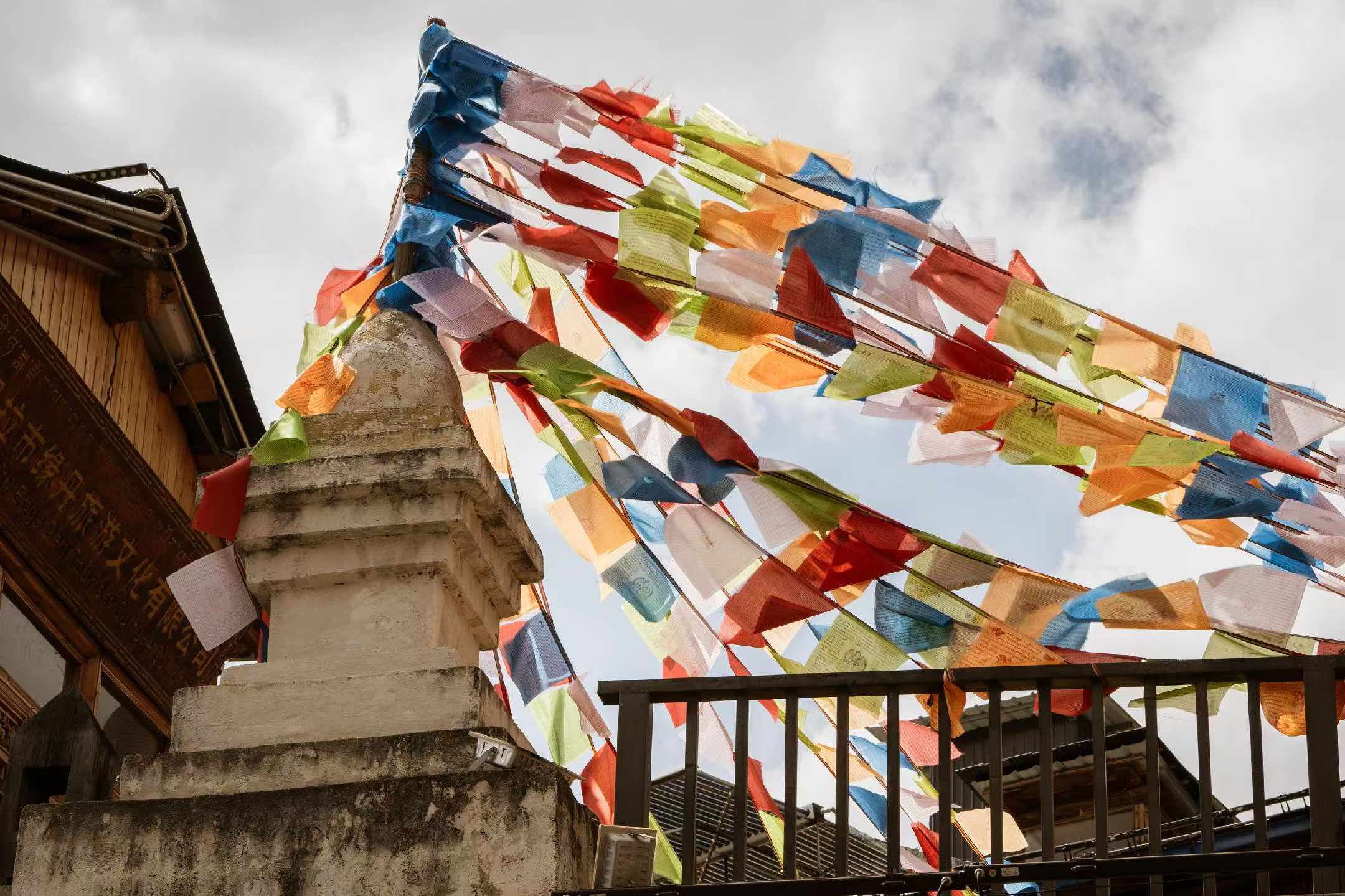
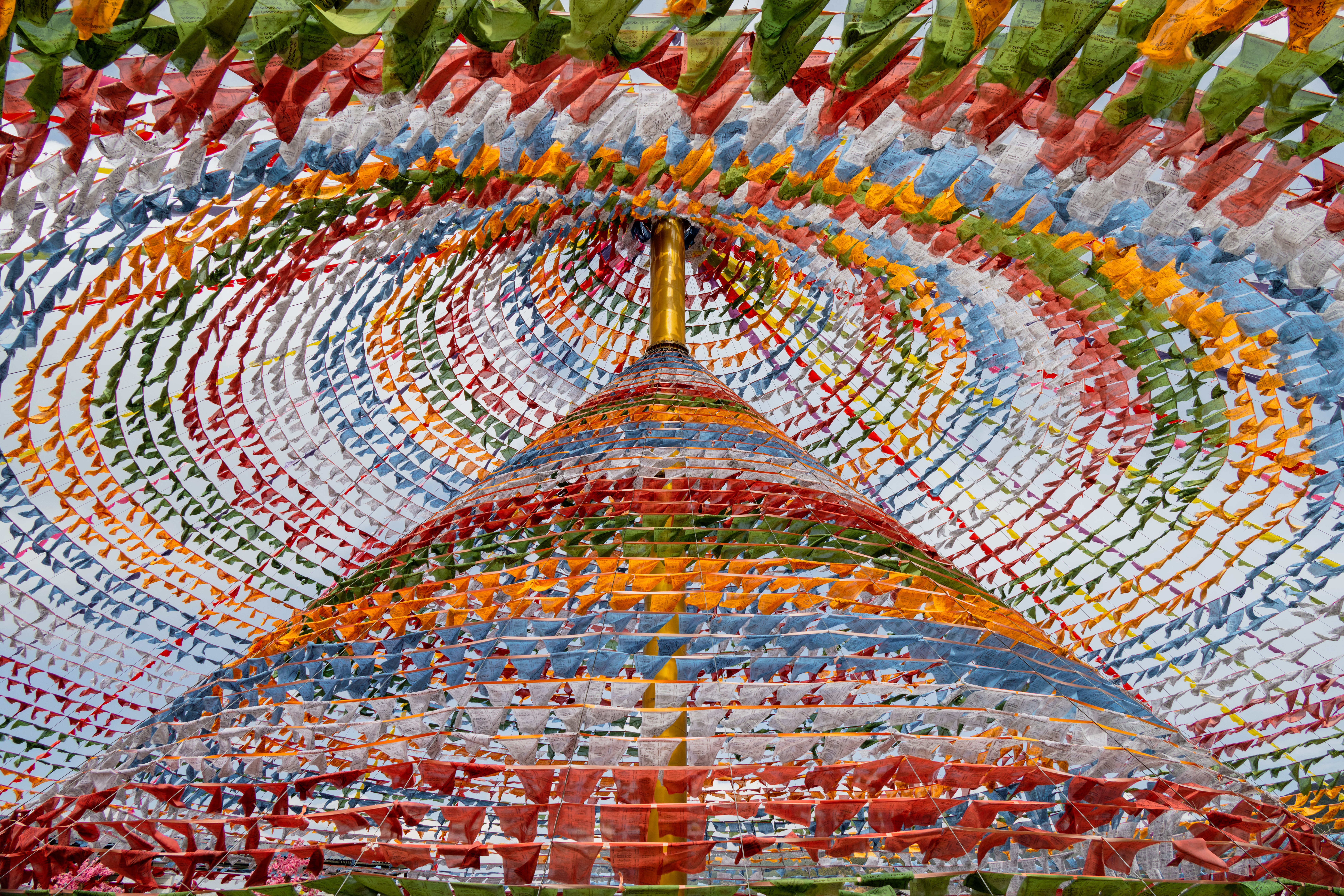
Built in the 17th century, it is one of the most important monasteries of the Gelug school of Tibetan Buddhism. Its golden roofs gleam under the sunlight, earning it the nickname “the Little Potala Palace.” In the early morning, monks ascend the stone steps in quiet procession, prayer wheels turning gently in their hands, while prayer flags flutter in the highland wind.
At the same time, Diqing is a region of ethnic diversity. In addition to Tibetans, it is home to Naxi, Lisu, Bai, and Han communities. These cultures have interacted over generations within the highland environment, together shaping a social structure that is both diverse and resilient.
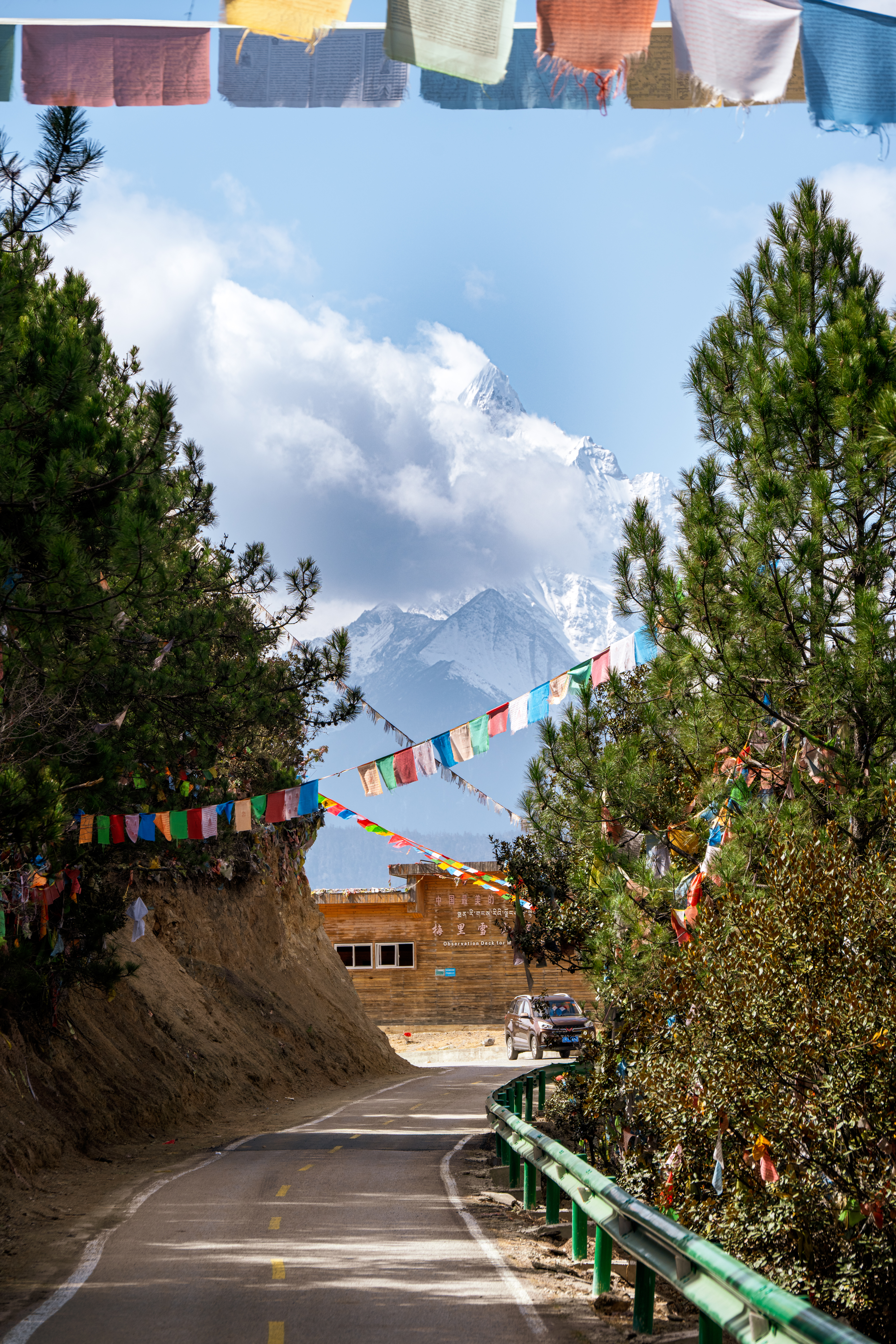
Here, religion is not a distant symbol, but an integral part of everyday life. Prayer flags on village rooftops, sacred banners at mountain passes, and ritual ceremonies accompanied by music and dance during festivals all reflect the deep-rooted traditions of Tibetan culture.
Shangri-La: From Literary Imagination to a Real City
The capital of Diqing is Shangri-La City. Today, the name is widely recognized around the world—but it did not originally belong to a real place.
In 1933, British writer James Hilton introduced “Shangri-La” in his novel Lost Horizon, describing an idyllic land hidden in the Himalayas—a world of peace, harmony, and detachment from conflict.
In 2001, the Chinese government officially renamed Zhongdian County as Shangri-La.
This decision not only preserved the spiritual symbolism associated with Tibetan culture, but also gave the region a new global identity in tourism and cultural imagination.
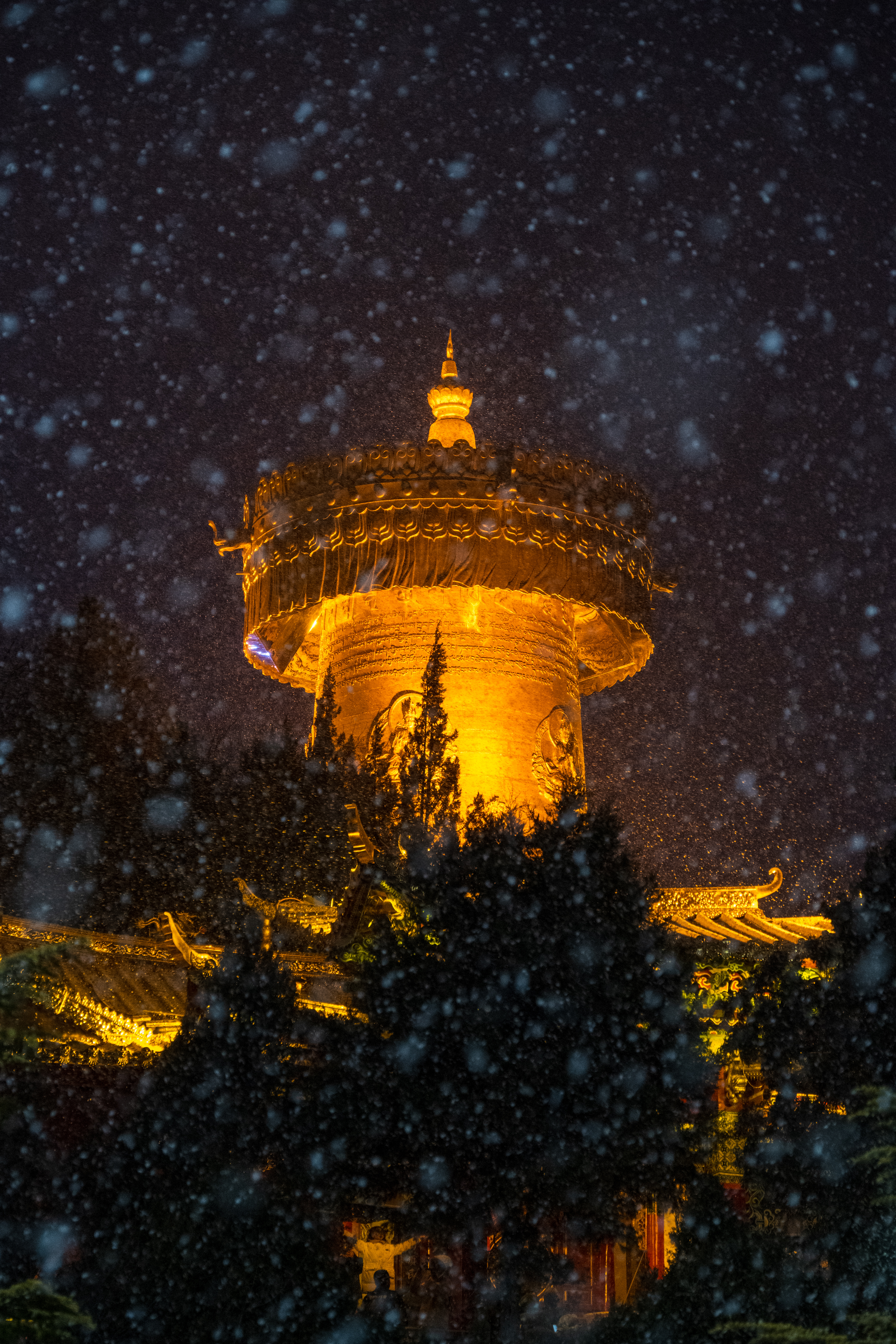
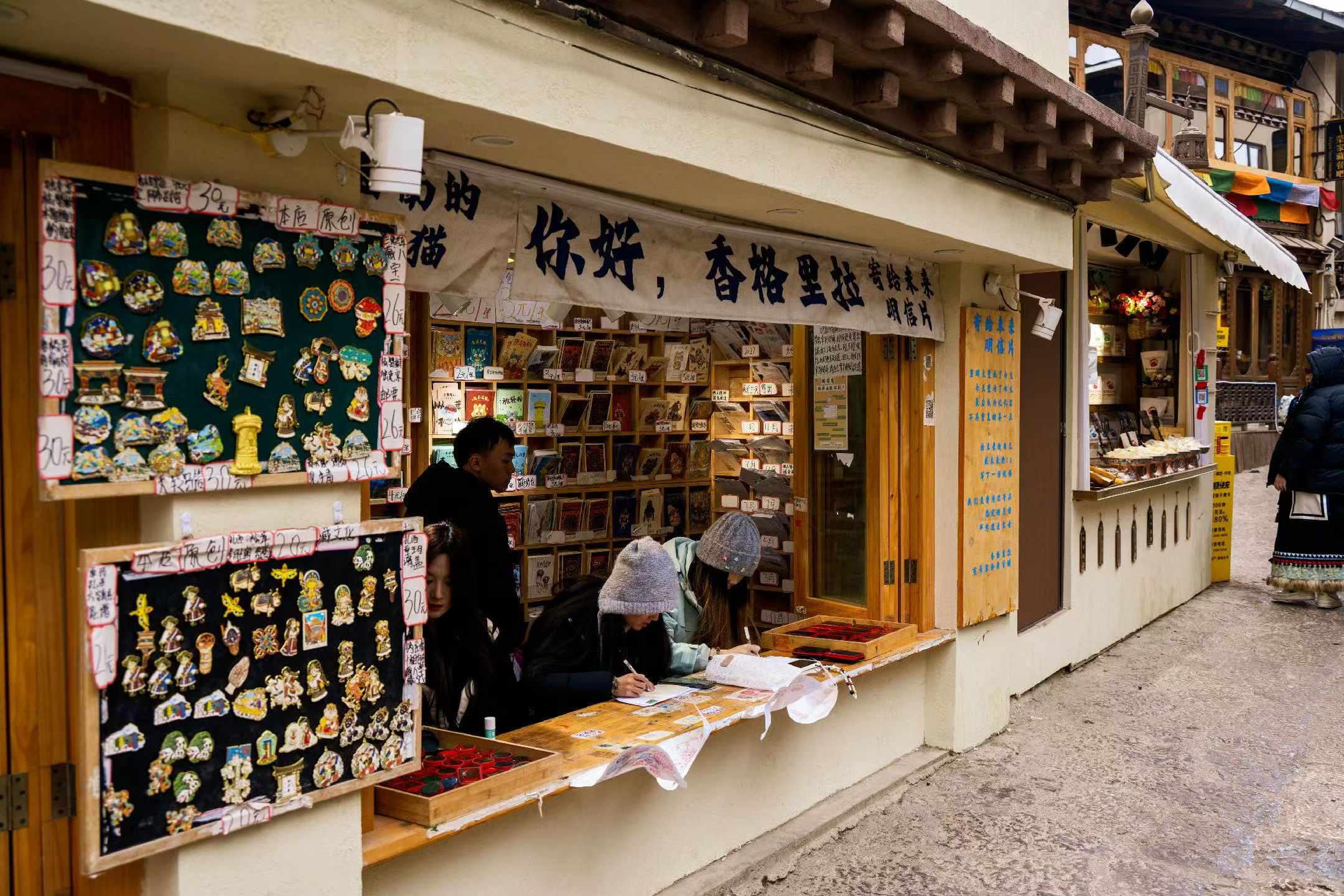
Today, Shangri-La is both a destination and a living city. Traditional Tibetan-style architecture stands alongside modern streets, while the surrounding plateau landscapes remain ever-present.
With the development of airports, highways, and infrastructure, this once-remote highland has become increasingly connected to the broader networks of contemporary China.
Ecology
In Diqing, ecology is not an abstract concept, but a visible structure layered across altitude.
From river valleys to snow-covered peaks, dramatic elevation changes create distinct vertical zones: shrubs and farmland in the valleys, coniferous and fir forests along the slopes, alpine meadows above, and finally glaciers and permanent snow at the highest elevations.
The Continuity of Plateau Civilization
At dusk, as the last light settles on the peaks, golden hues linger on the snow before slowly descending into the valleys.
Herders guide their yaks back toward the village, while the sound of temple bells drifts through the thin mountain air.
To many outsiders, Diqing appears distant and mysterious. Yet for those who live here, it is simply home—a place where generations have rooted their lives.
Within the vast landscape of China, this highland region reveals a distinctive form of civilization:
one where humans approach nature with reverence, where cultures endure through multi-ethnic exchange, and where modern development gradually intertwines with traditional ways of life.
The mountains still stand. The rivers continue to flow.
On the southern edge of the Roof of the World, Diqing writes its own story—at its own pace.
完
THE ENDS
Tkong 對本文章所載全部照片享有獨家版權。未經事先書面同意,任何人士或機構不得以任何形式使用、複製、發佈、傳播或改編有關影像內容。
All photographs contained in this article are the exclusive property of Tkong. No individual or entity may use, reproduce, publish, distribute, or adapt any of the images in any form without prior written consent.